

Every number on this page is quoted from the publisher's own author guidelines, with the source link and the date we checked it. Publishers document their own rules and nobody puts them side by side, so here they are side by side.
Expand any row for the verbatim wording and a link to the source. Blank cells mean the official page does not state that value — not that the rule is absent.
| Publisher | Size | Aspect ratio | Resolution | File types | Required | Font | Show source quotes |
|---|---|---|---|---|---|---|---|
Elsevier | Minimum 1328 × 531 px (w × h) Displayed on ScienceDirect inside a 500 × 200 px window | 2.5:1 | 300 dpi minimum | TIFF, EPS, PDF, MS Office | Varies by journal | Times, Arial, Courier, Symbol No numeric floor — "large enough" for the 200 px-high window | |
Cell Press | 5.5 inches square at 300 dpi ≈1650 × 1650 px — pixel value is converted, not stated in the source | 1:1 | 300 dpi | TIFF, PDF, JPG | Not stated | Arial 12–16 pt | |
Wiley Journal of Internal Medicine | 5 × 5 inches at 300 dpi, or 1500 × 1500 px | 1:1 | 300 dpi | JPEG, TIFF, EPS, PDF | Not stated | Arial or Myriad Pro 10–14 pt, all weights | |
Wiley Small (table-of-contents image) | 55 mm × 50 mm, or 110 mm × 20 mm Bitmaps: 650 px wide and 1300 px wide respectively | 1.1:1 or 5.5:1 | — | Bitmap or vector | Not stated | — At least 10 pt | |
Springer Nature Microchimica Acta | 920 × 300 px, maximum 150 KB | ≈3.07:1 Calculated from the stated pixel dimensions | — | JPEG, PNG, SVG | Required | — Not stated | |
Oxford University Press / ESC European Heart Journal | 11.0 cm × 18.0 cm (height × width), landscape | ≈1.64:1 Calculated; note the source states height before width | 300 ppi minimum | Vector .pdf / .ai / .svg for graphs; 300 ppi .tiff for photographs | By article type | Sans serif — Myriad Pro, Arial, Helvetica (ESC also lists Gill Sans) 10–12 pt, no smaller than 8 pt | |
ACS | No larger than 3.25 × 1.75 inches (approx. 8.25 × 4.45 cm) | ≈1.86:1 Calculated from the stated maximum dimensions | TIF at 300 dpi for color, 1200 dpi for black and white | TIF or EPS (RGB, fonts outlined or embedded) | Required | Sans serif such as Helvetica Preferably 8 pt, no smaller than 6 pt | |
IEEE | 660 × 295 px, recommended under 45 KB | ≈2.24:1 Calculated from the stated pixel dimensions | — | JPG, TIFF, PNG, GIF, Word, PDF, PS, EPS, BMP — all converted to JPG | Required | — | |
MDPI | Minimum 560 × 1100 px (height × width) Height is stated first — many secondary sources reverse this | ≈1.96:1 Calculated from the stated minimum dimensions | — | PNG, JPEG, TIFF | Not stated | Times, Arial, Courier, Helvetica, Ubuntu, Calibri | |
Taylor & Francis | Often displayed at 525 px wide online | 2:1, landscape | — | .jpg, .png, .tiff | Varies by journal | — |
Elsevier asks for at least 1328 × 531 pixels, but says the image will be scaled to fit a 500 × 200 pixel window on ScienceDirect, and shrunk again to fit a table-of-contents window 200 pixels high. The upload resolution is for print and zoom; the size your reader actually sees is the small one. Before you submit, scale your figure down to 500 × 200 and look at it. If you cannot read the labels, the fix is fewer words and bigger type, not a larger file.
These rules contradict each other, so a graphical abstract built for one publisher usually has to be rebuilt rather than resized for another.
Elsevier wants 2.5:1, Springer's Microchimica Acta wants roughly 3:1, and IEEE wants 660 × 295. Cell Press and the Journal of Internal Medicine both want a square. A banner cannot be cropped into a square without relaying it out.
Elsevier and the Journal of Internal Medicine require every label to be part of the image file. ACS limits text to labelling compounds, reaction arrows and diagrams, and Microchimica Acta rules out legends entirely.
ACS accepts 6 pt at the smallest. European Heart Journal will not go below 8 pt. The Journal of Internal Medicine starts at 10 pt, and Cell Press starts at 12 pt and says anything smaller will not be legible online.
ACS takes only TIF or EPS. MDPI takes PNG, JPEG or TIFF but not EPS or PDF. Microchimica Acta takes JPEG, PNG or SVG and is the only one on this page accepting SVG. IEEE accepts almost anything and converts it all to JPG.
IEEE recommends staying under 45 KB and Microchimica Acta caps the file at 150 KB, while ACS asks for 300 dpi TIF and 1200 dpi for black and white. Those two demands cannot both be met in one file.
Elsevier and MDPI both say the graphical abstract typically does not appear in the article PDF or in print. Taylor & Francis says the opposite: it appears in the PDF, and in the print edition where one exists.
Three of the publishers people ask about most are missing, for two different reasons. Here is what to do about each.
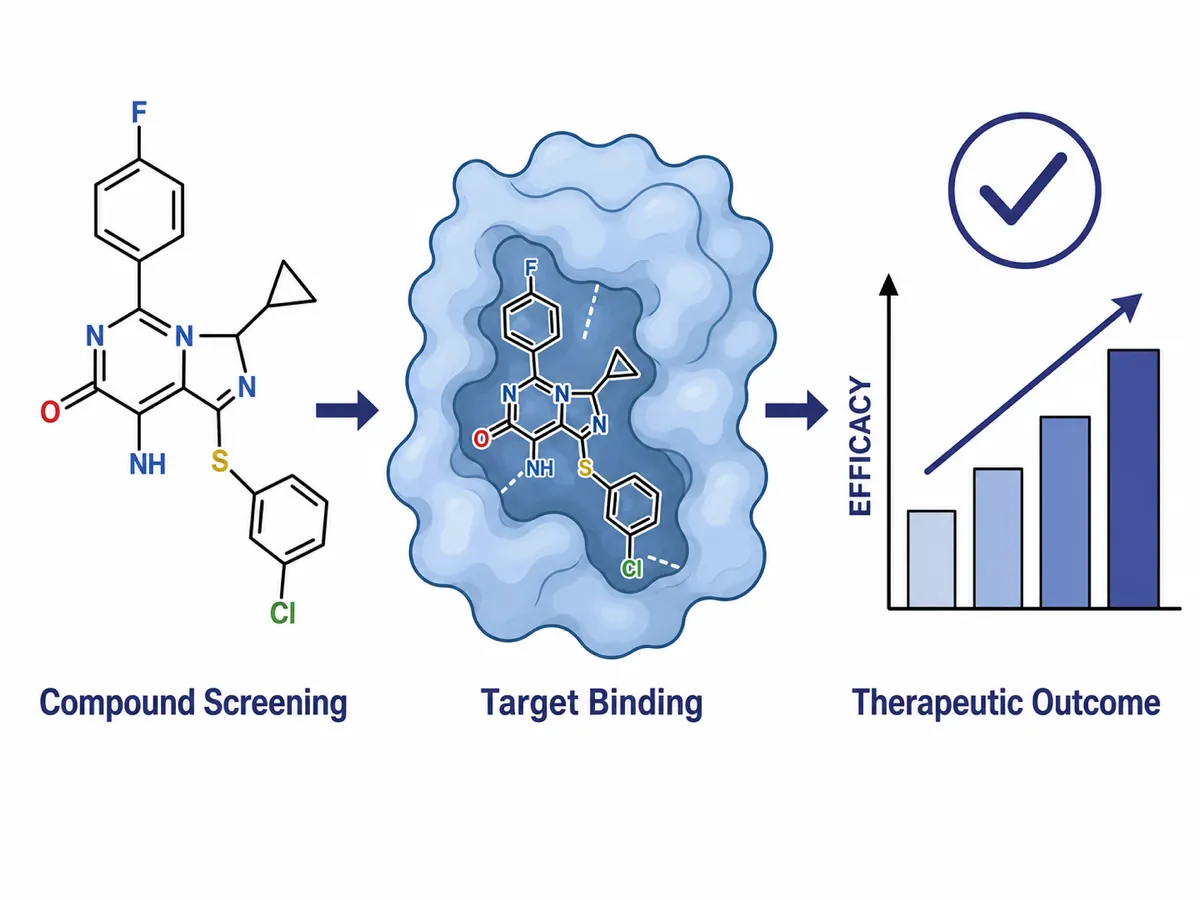
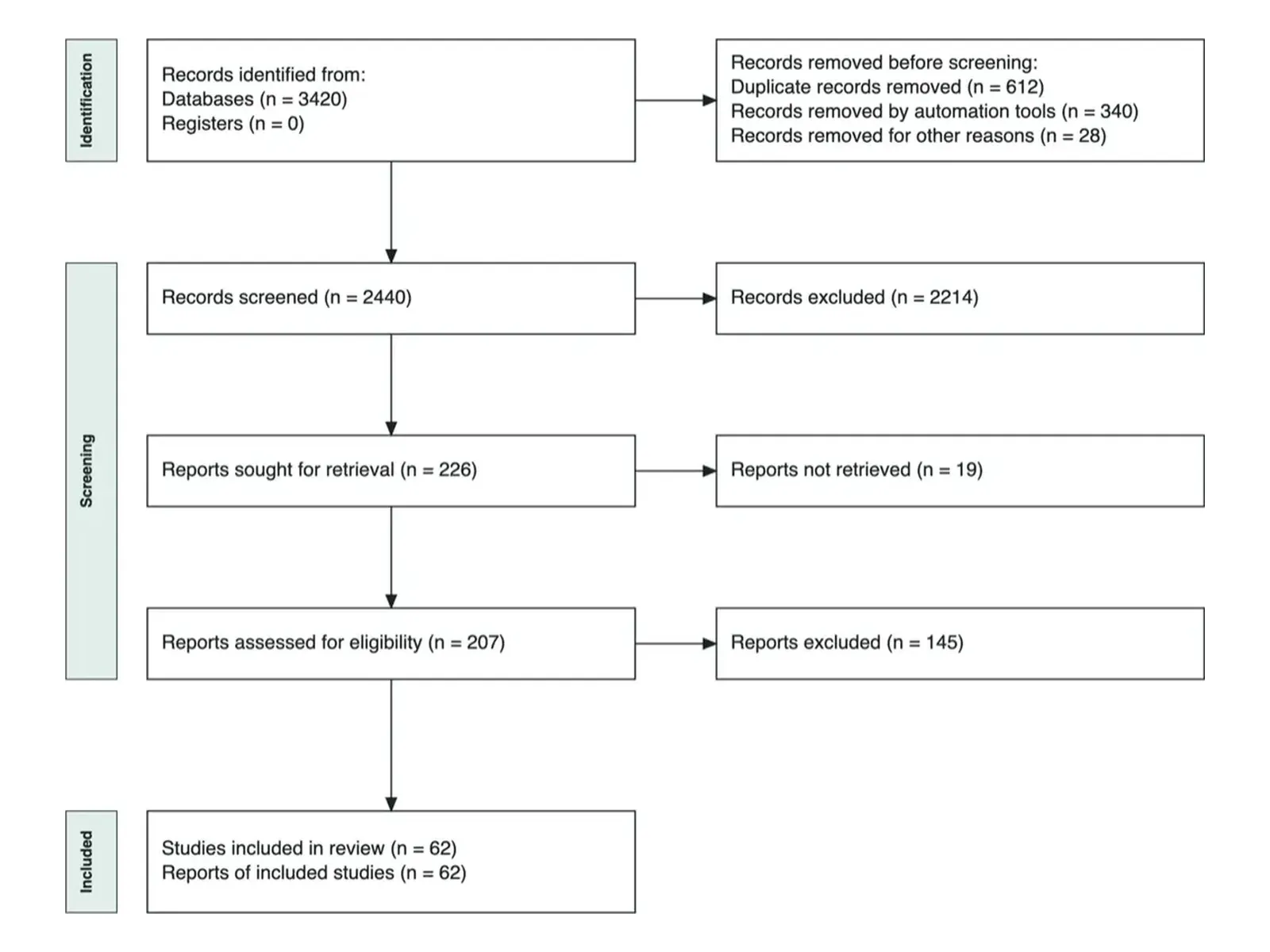
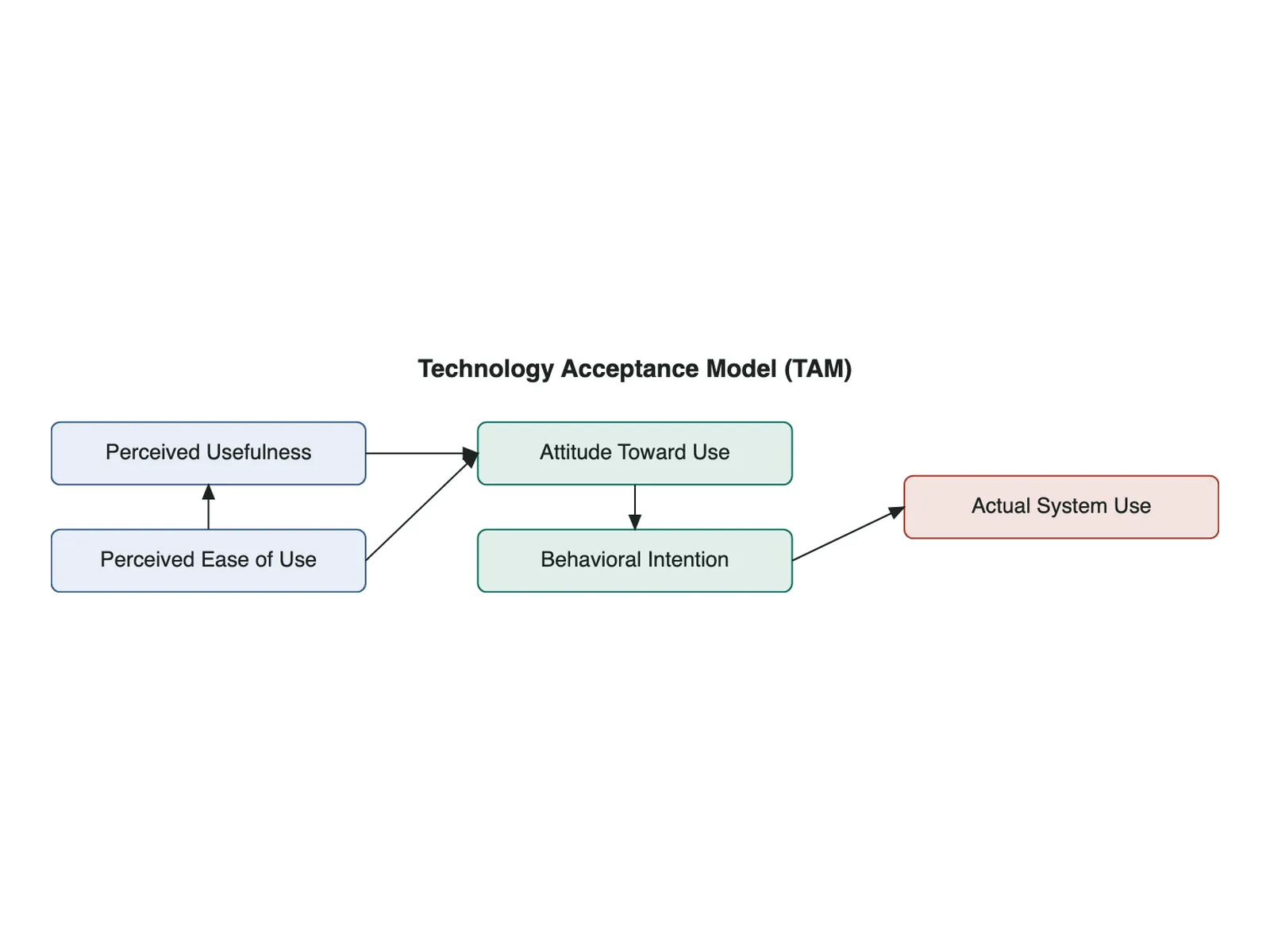
Our graphical abstract maker turns your abstract into a layout you can react to. It returns a flat raster image with no editable labels, so treat it as a draft and rebuild the file you submit in an illustration tool.