

Type your research stages as plain text and get a research roadmap diagram back — a stage-flow research plan diagram or a layered technical roadmap, with milestones, numbering, and color already laid out.
A roadmap diagram has to match how the work actually unfolds. These renders cover the shapes that come up most often when researchers plan a study or draft a proposal.
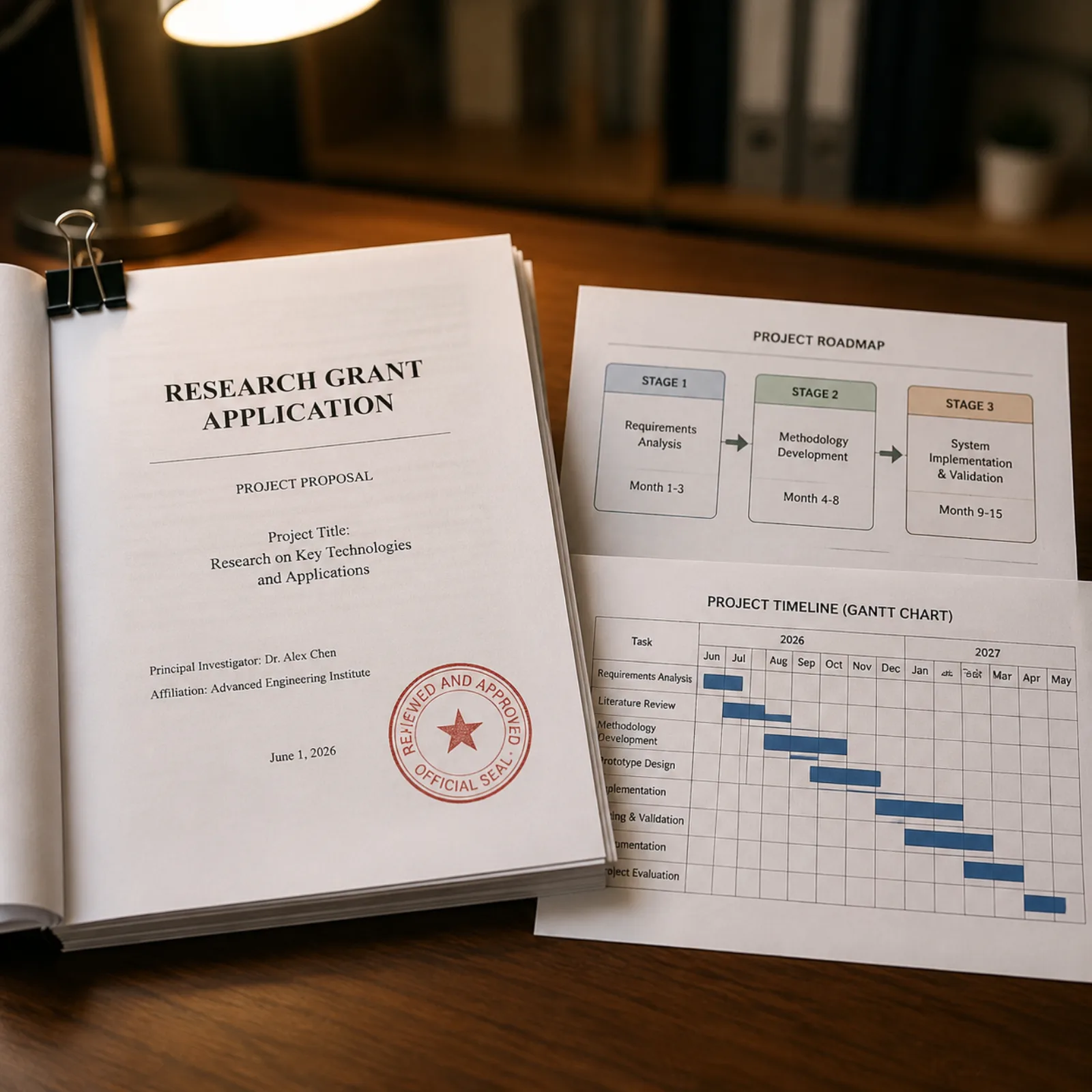
A compact stage-flow roadmap for a study with three clear phases — background research, method design, and outcome delivery — each stage carrying its own task list.
A layered roadmap for projects where the logic is vertical rather than sequential: a foundation layer of theory, a middle layer of methods and techniques, and a top layer of goals the lower layers support.
The same stage-flow layout with a milestone diamond dropped between two stages — useful for marking a mid-term review, a go/no-go decision point, or a deliverable date reviewers will look for.
A top-to-bottom version of the same stage data, built for a narrow column in a proposal document or a mobile-width report page instead of a wide slide.
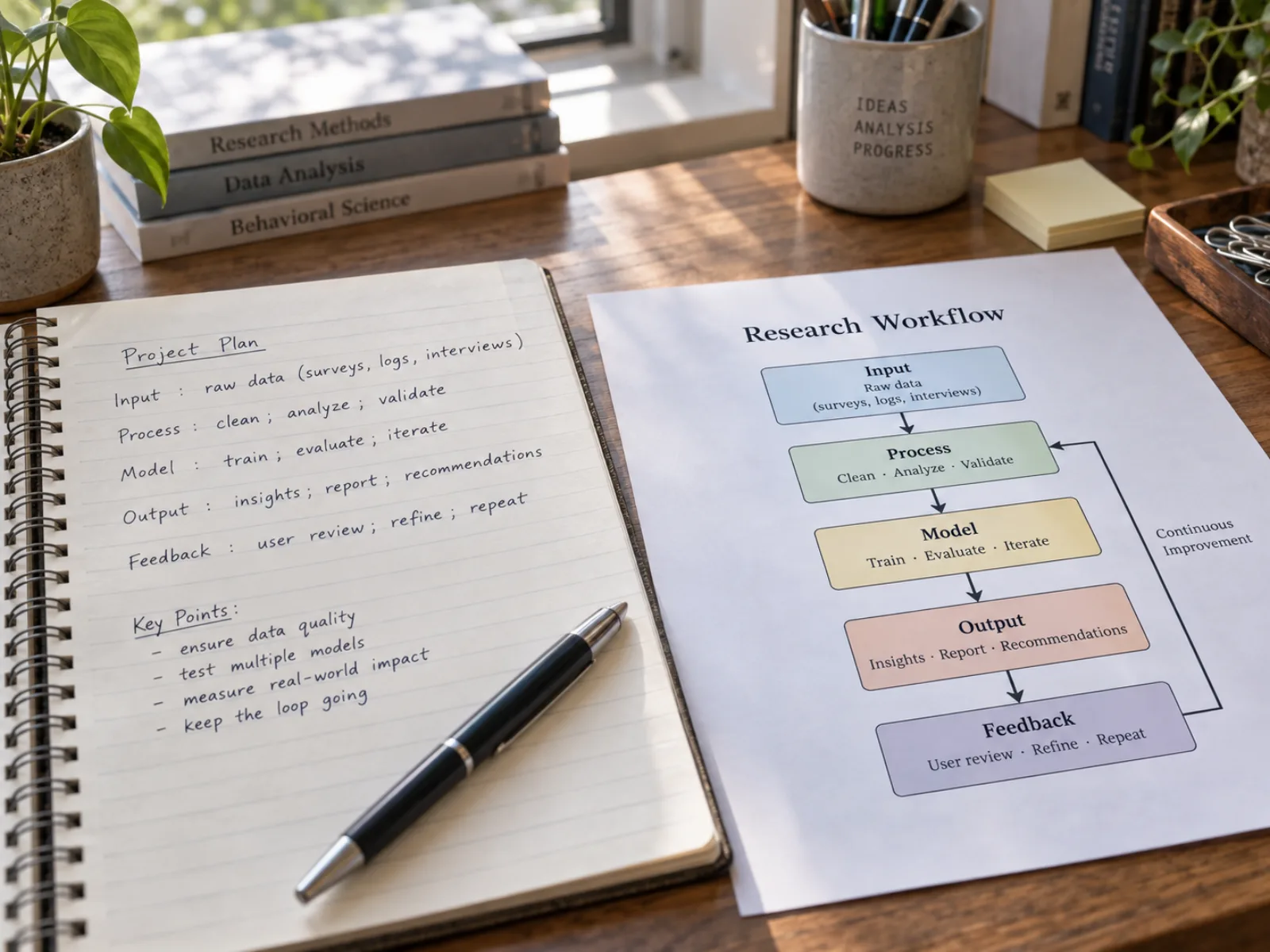
Write each stage as one line — a title, a colon, then its tasks or methods separated by semicolons — and the research roadmap maker lays out boxes, spacing, and arrows for you. No manual dragging boxes around a canvas.
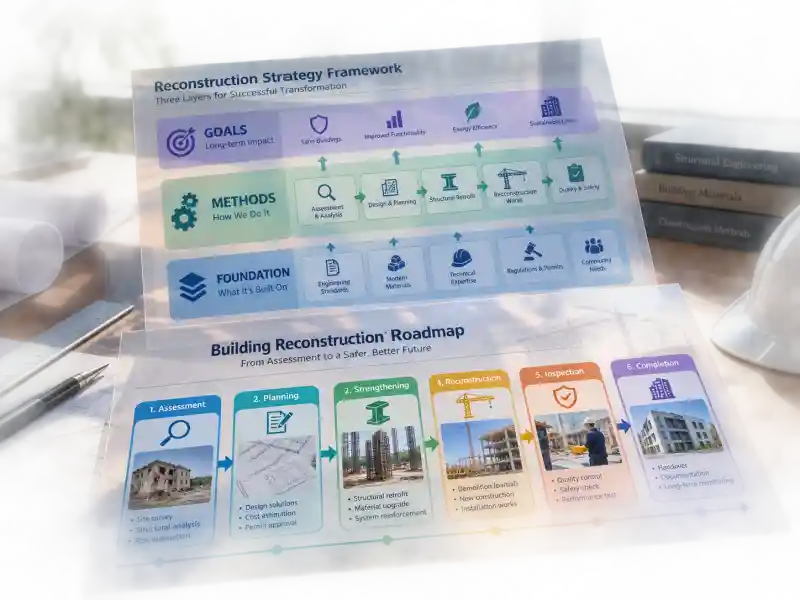
Some projects advance stage by stage; others build in layers, with a foundation layer supporting methods, and methods supporting a goal. Switch between the two roadmap layouts without retyping your content.
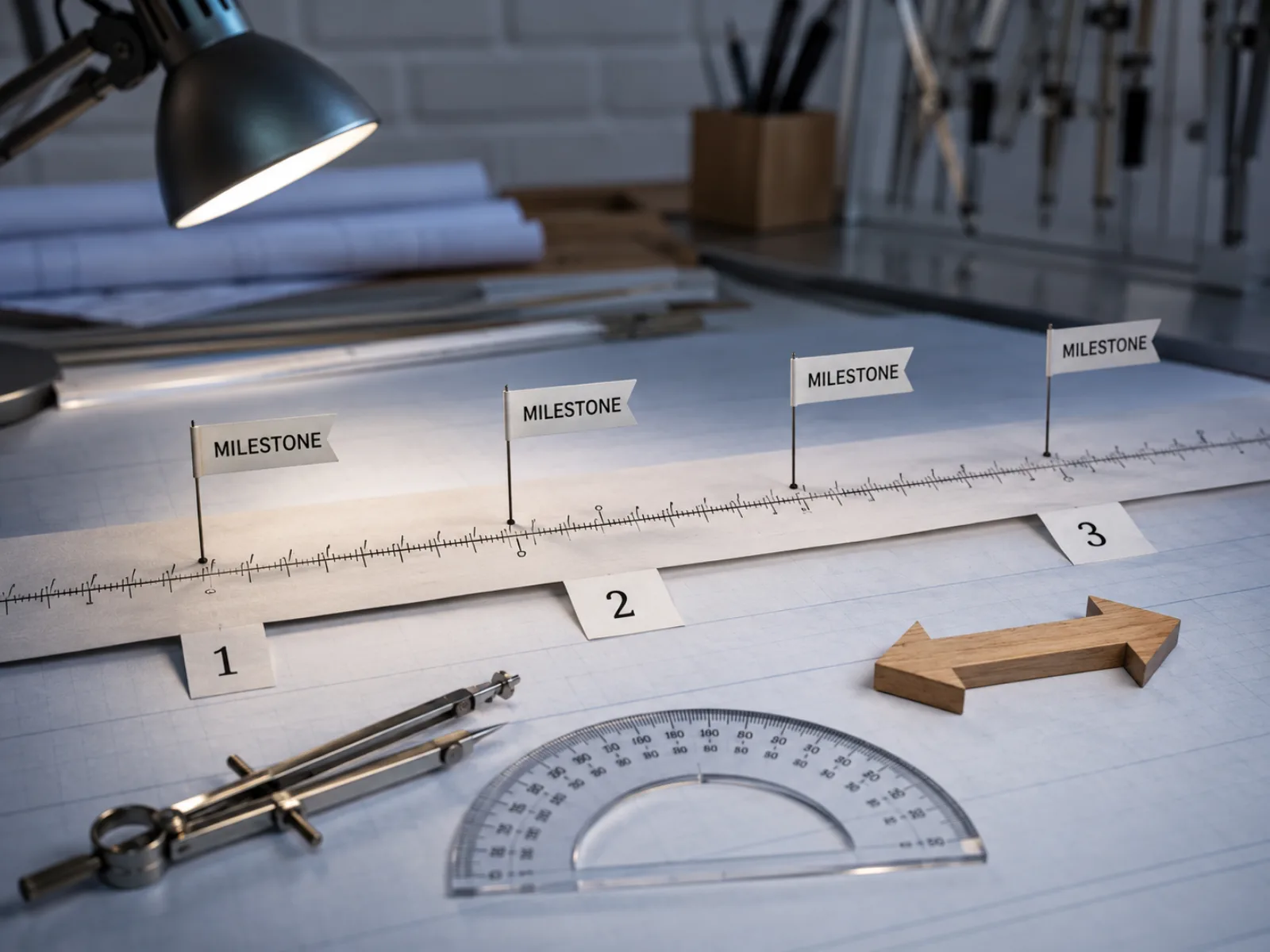
Drop a milestone marker at any point in the sequence, toggle stage numbering on or off, and switch the flow between horizontal and vertical — useful when the same roadmap has to fit a wide slide one day and a narrow document column the next.
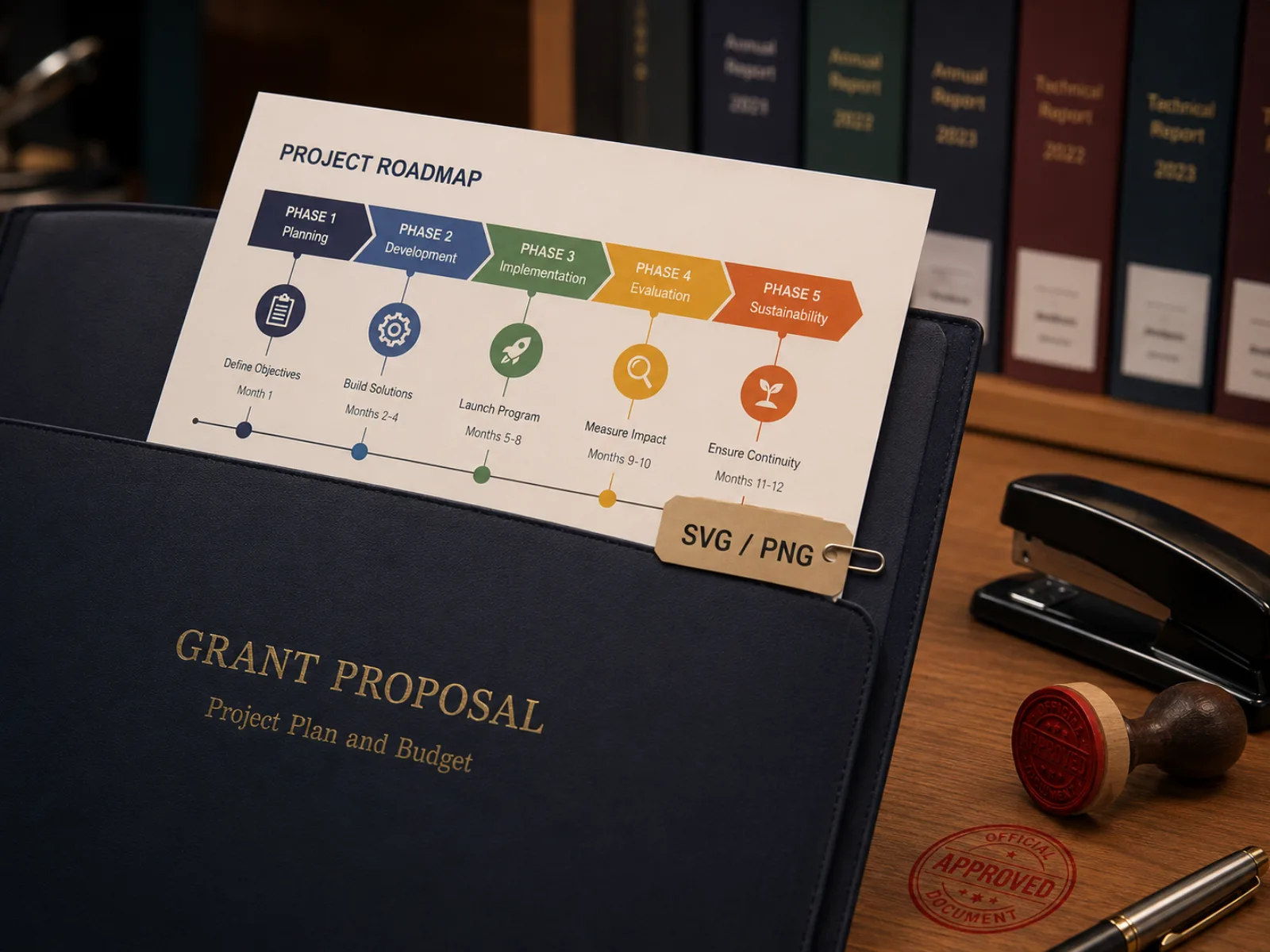
Download the finished research roadmap as SVG for further editing or as PNG for pasting straight into a grant proposal, opening report, or slide deck. No account, no watermark to negotiate, no credits to spend.
The whole process happens in the text box above — no separate design tool, no template to hunt down.
Write one line per stage: a short title, a colon, then the tasks, methods, or deliverables for that stage separated by semicolons. Four to six stages is typical for a study-level roadmap.
Pick stage-flow when the project genuinely moves stage by stage, or layered when the real structure is a foundation of theory supporting methods that in turn support a goal — the two tell different stories from the same content.
Mark a mid-term review or go/no-go point with a milestone line, then set the roadmap to horizontal for a wide slide or vertical for a narrow document column.
Export as SVG to keep editing the text later, or as PNG to paste directly into a grant proposal, an opening report, or a results presentation.
A research roadmap diagram is not a schedule. It doesn't answer "when" — that's what a Gantt chart is for, with dates on one axis and bars showing how long each task runs. A research roadmap answers "how": which stage has to happen before which, what each stage produces, and how that output feeds the next stage or gets checked against the one before it. The arrows carry logical dependency, not calendar time, which is why a roadmap with no dates on it can still be complete.
That distinction matters most in a grant application. A technical roadmap section — common in national and provincial funding applications, opening reports, and closing materials — exists to show a reviewer that the applicant has a coherent path from research question to outcome, not just a list of things they intend to do. A stage-flow roadmap makes that path readable at a glance: background work feeding into method design, method design feeding into data collection, data collection feeding into the deliverables the proposal promises.
A layered roadmap tells a related but different story, and reviewers read it differently. Instead of sequence, it shows dependency between levels — a foundation of established theory or prior work, a middle layer of the methods and techniques built on that foundation, and a top layer of the goals those methods are meant to reach. Reviewers use both layouts to check the same thing: whether the technical logic actually holds together, or whether a stage exists in the roadmap with no real basis for the one before it. A roadmap that reads clearly on that dimension does real persuasive work beyond the writing around it.
What people ask before drawing their first technical roadmap or research roadmap diagram.
Free, no sign-up, and no credits spent — the whole diagram is built from plain text in your browser.